
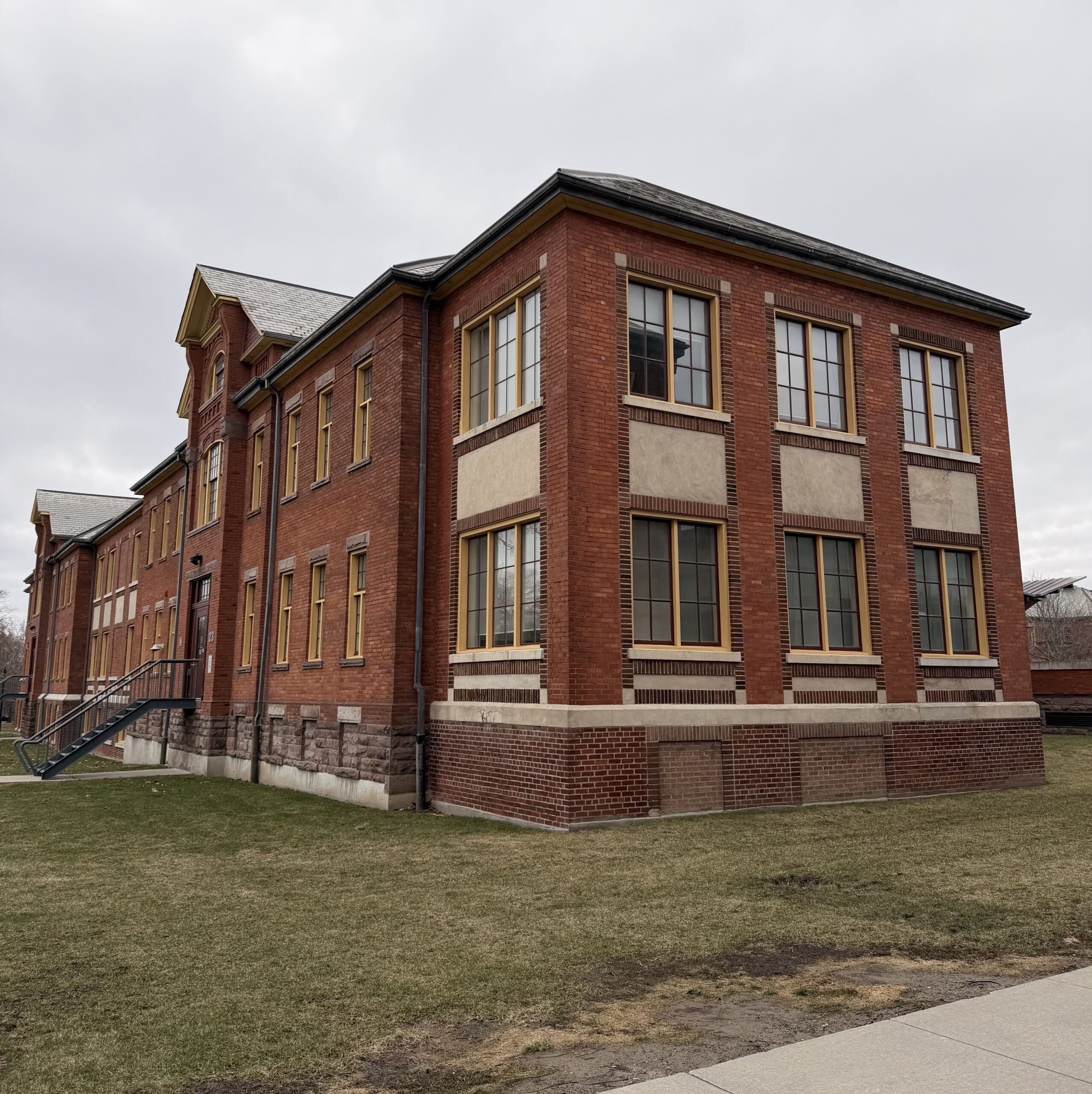
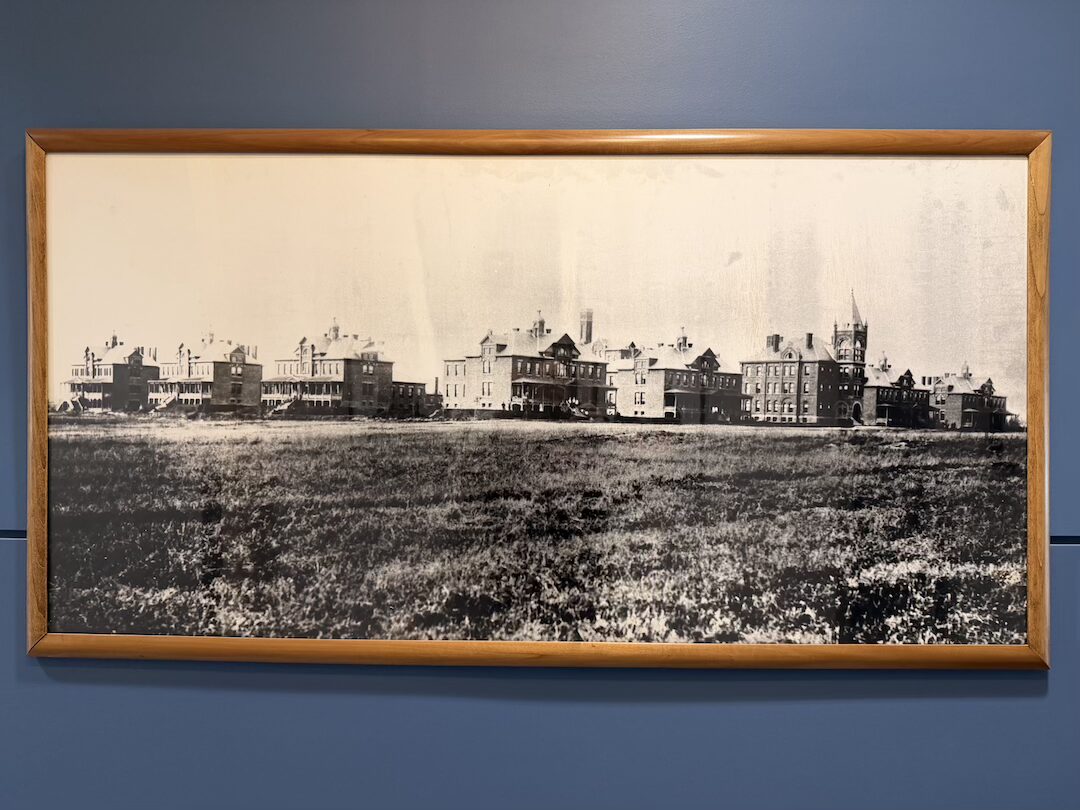
Last week, the Tapestry team spent the afternoon at the Lakeshore Grounds Interpretive Centre. We toured the site of the former Lakeshore Psychiatric Hospital (Mimico Asylum) to better understand Toronto’s history of institutionalization.
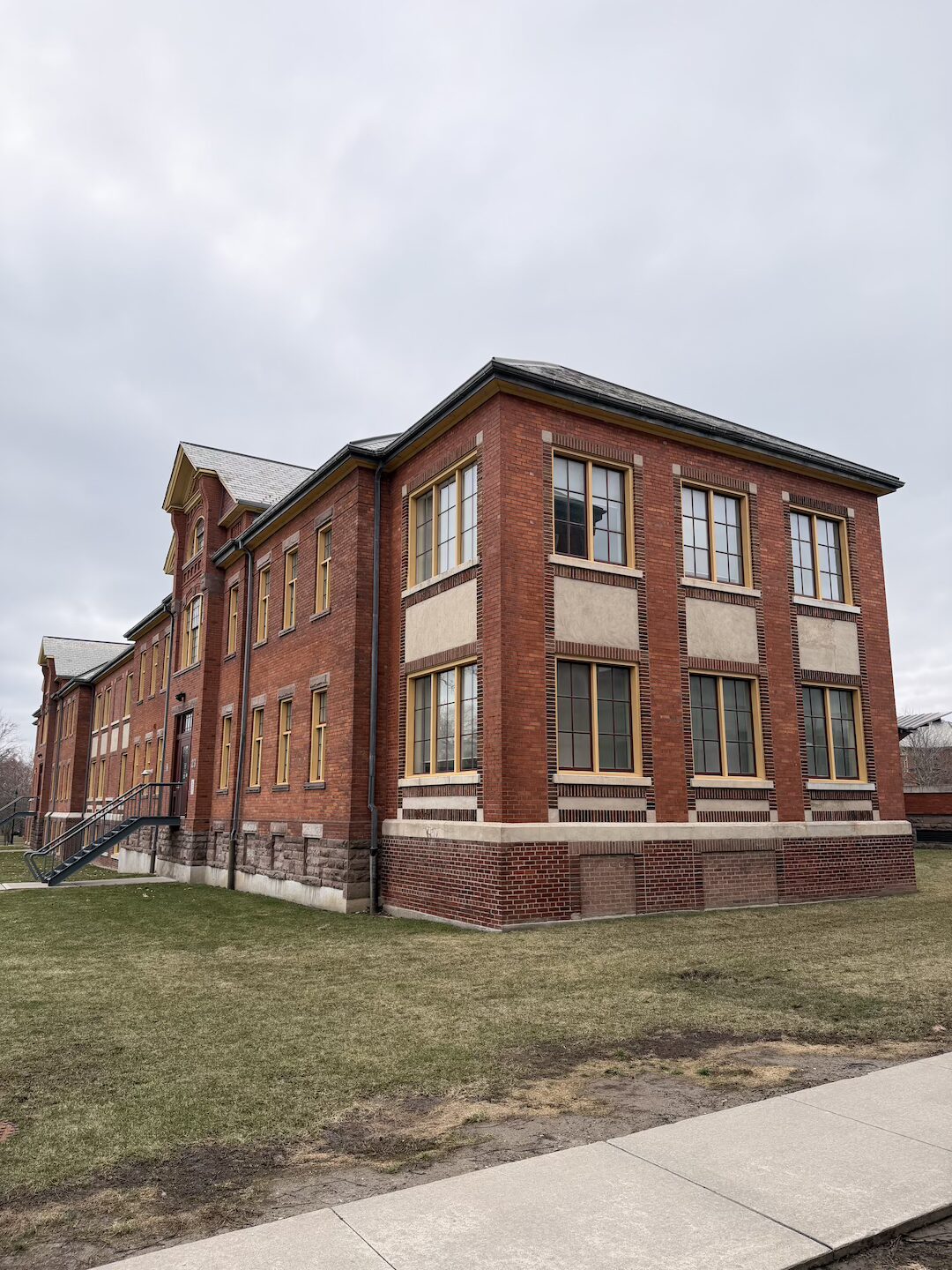
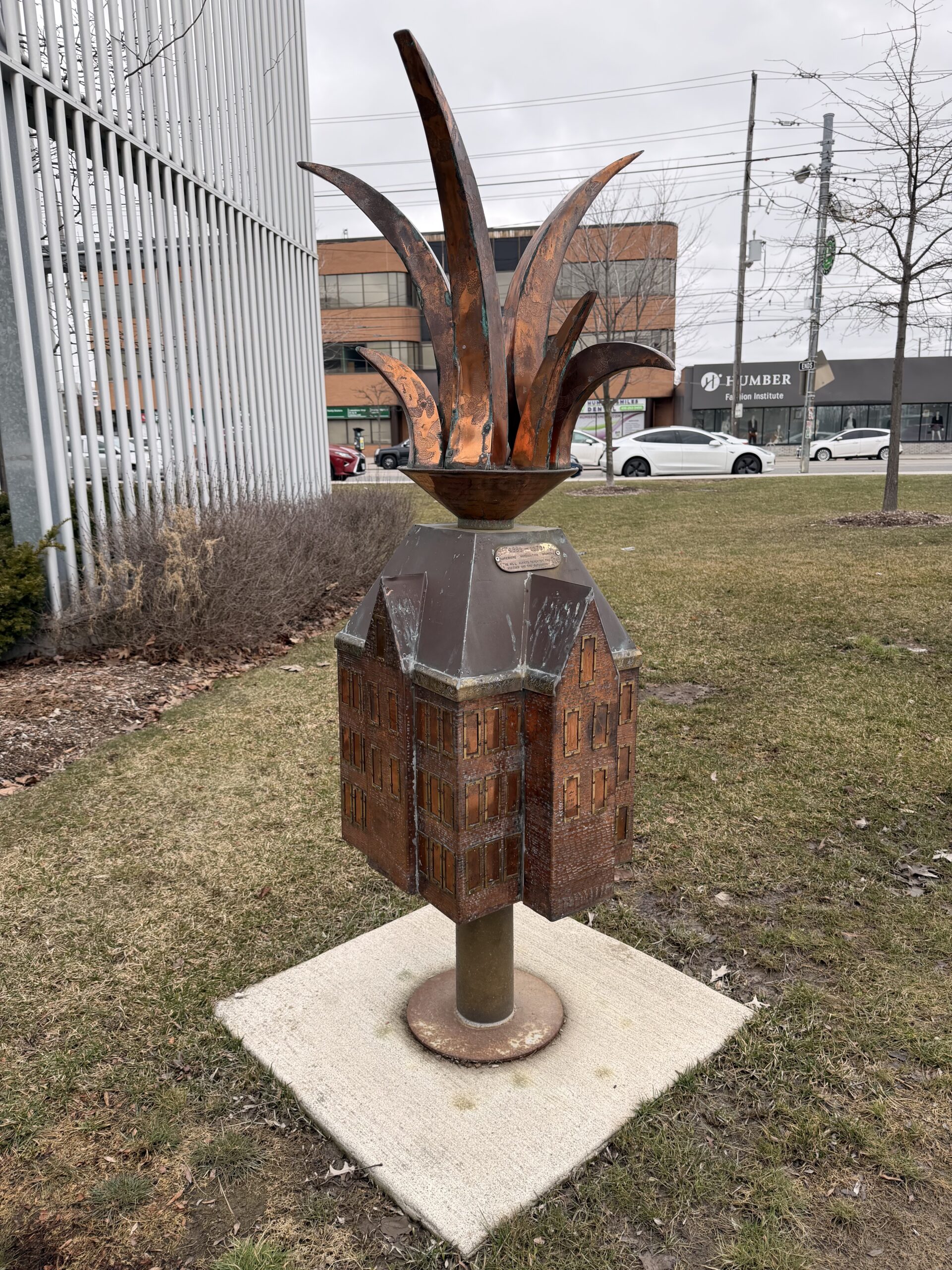
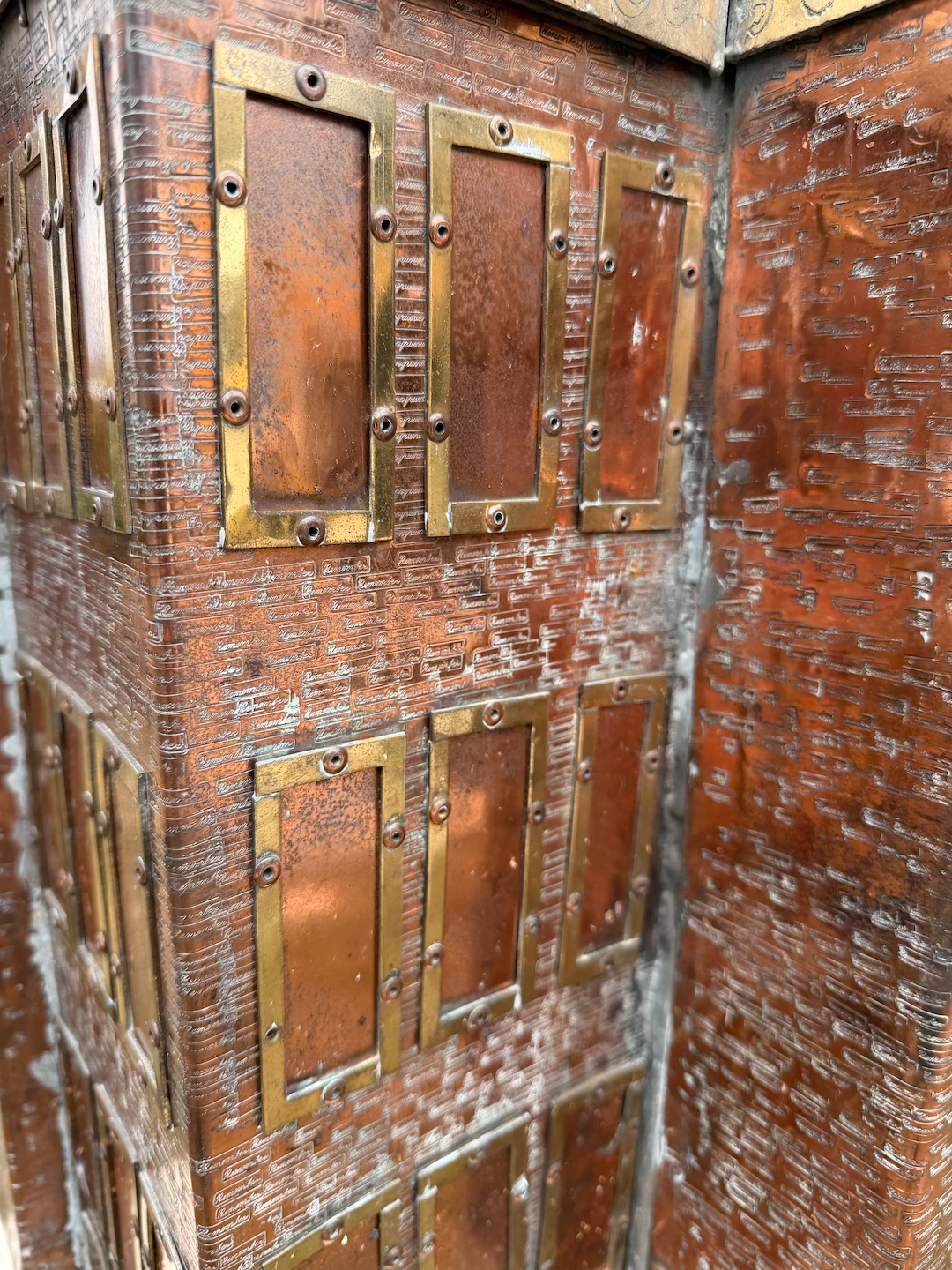
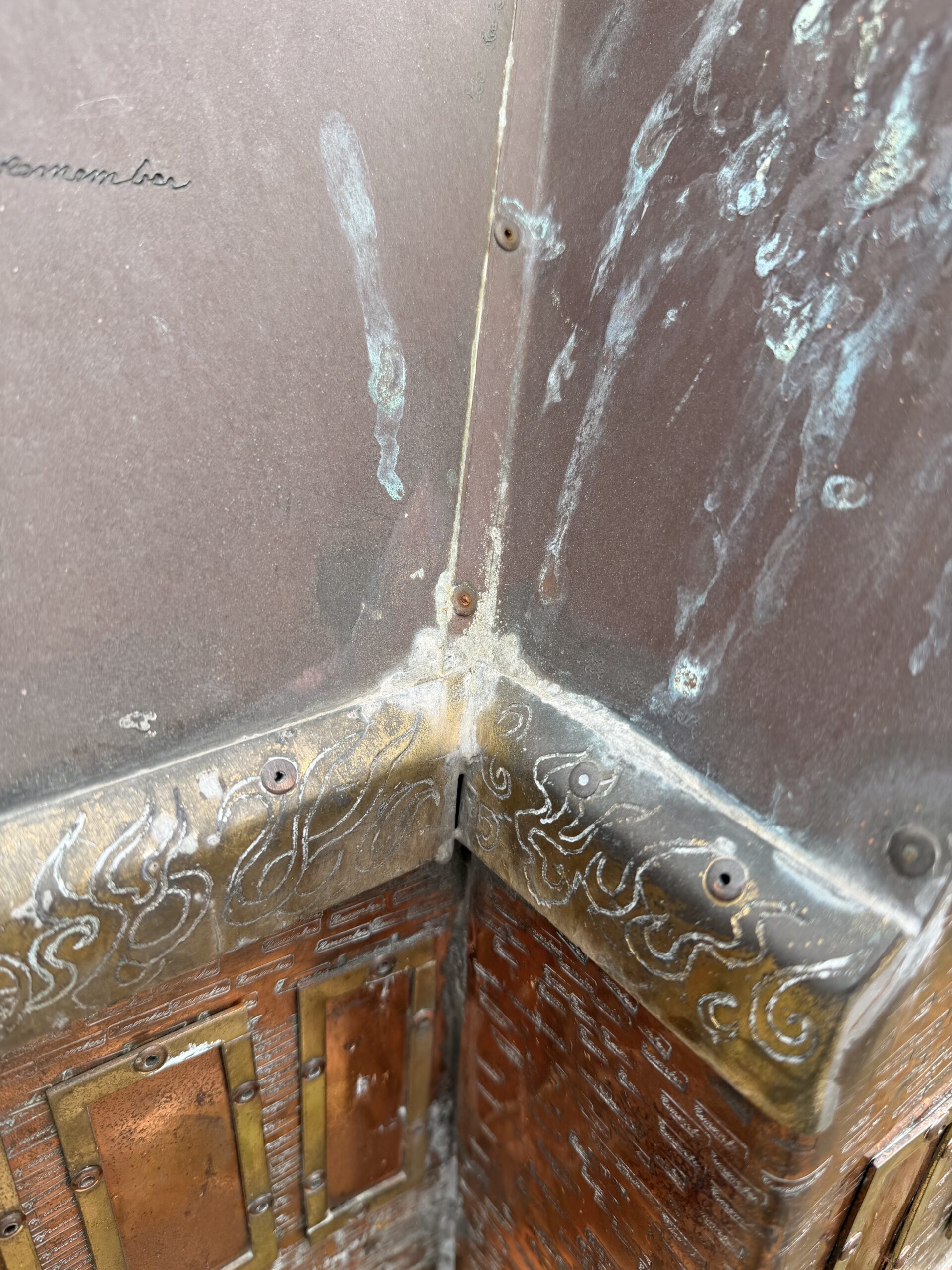
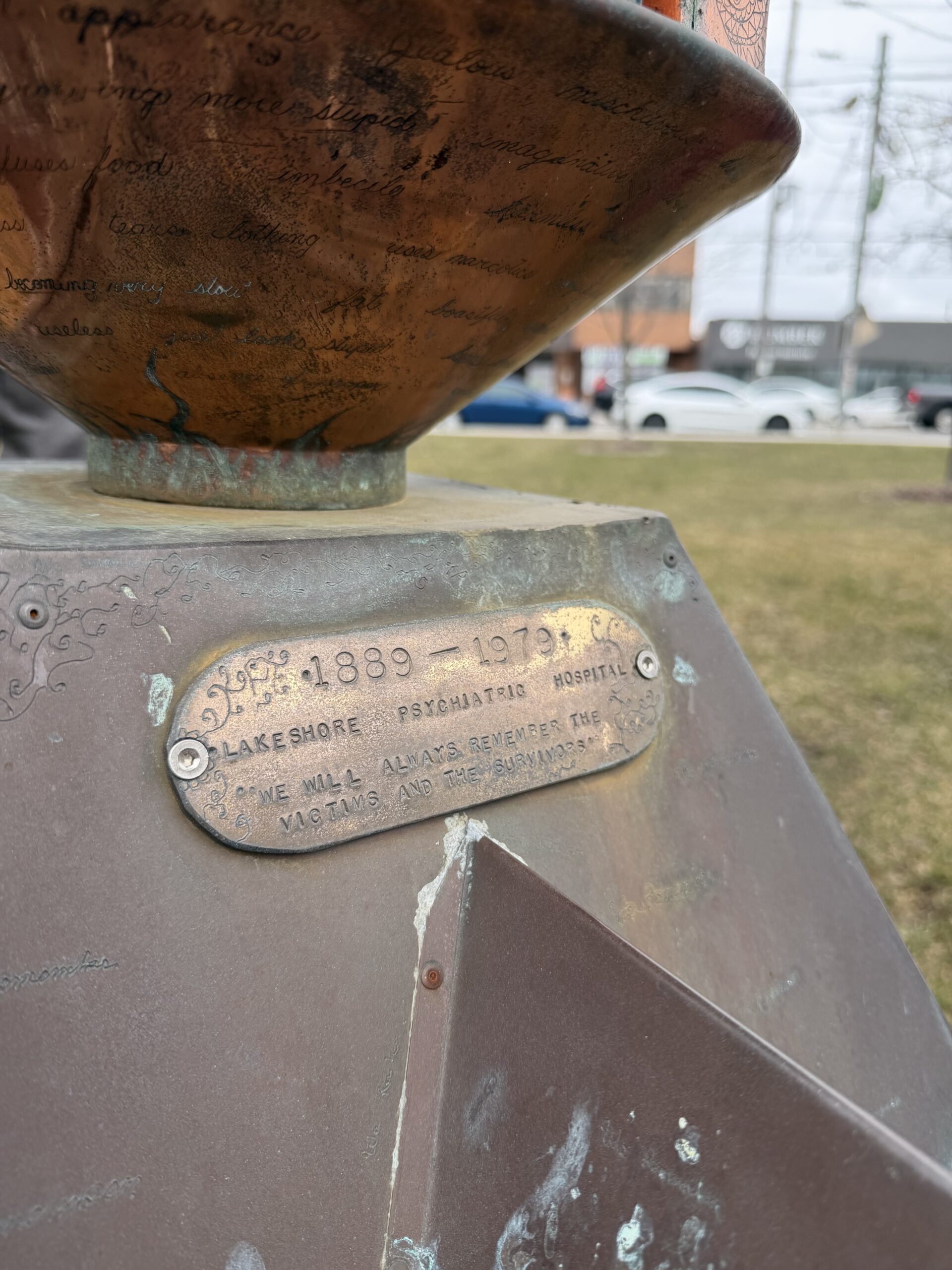
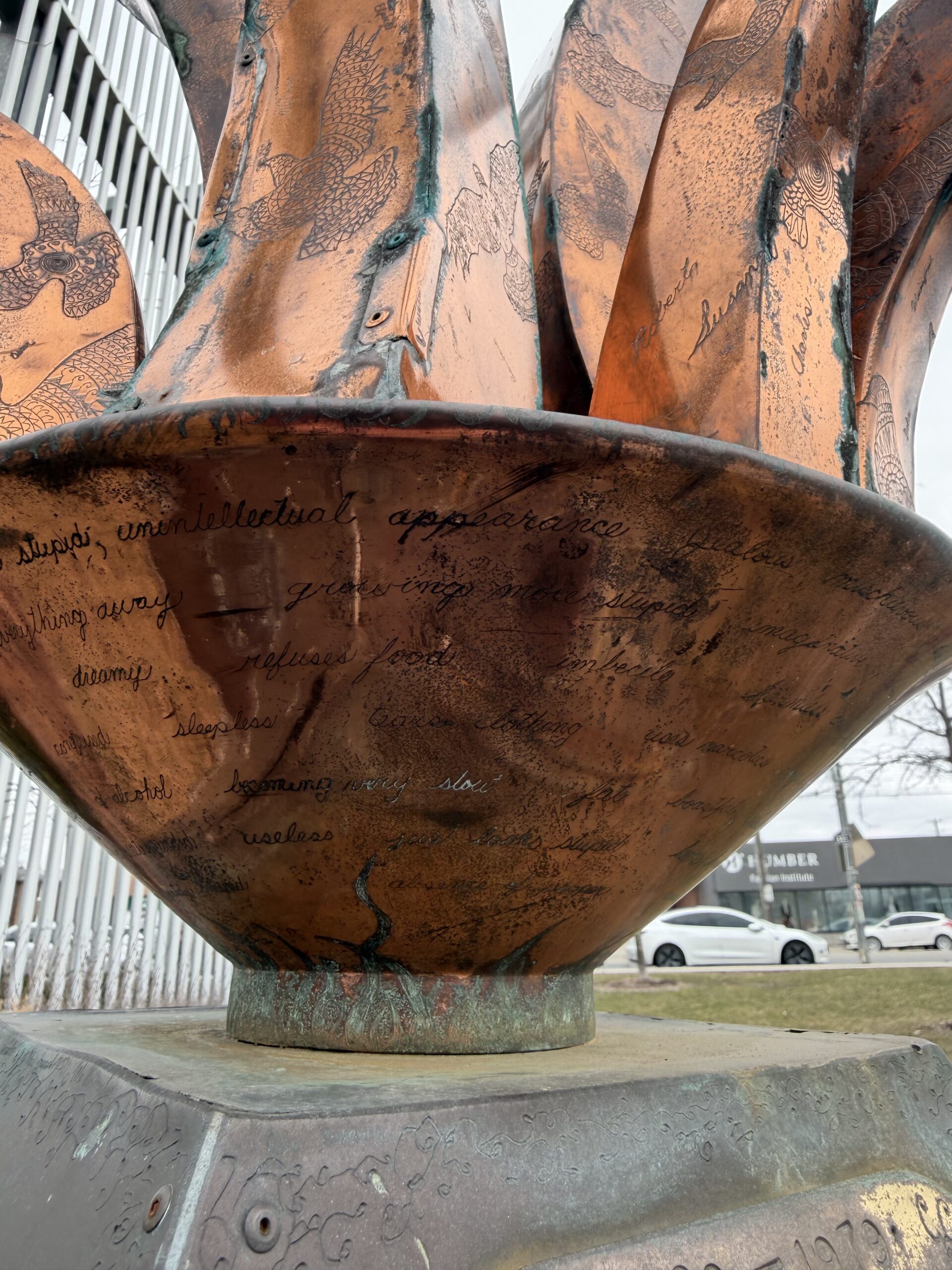
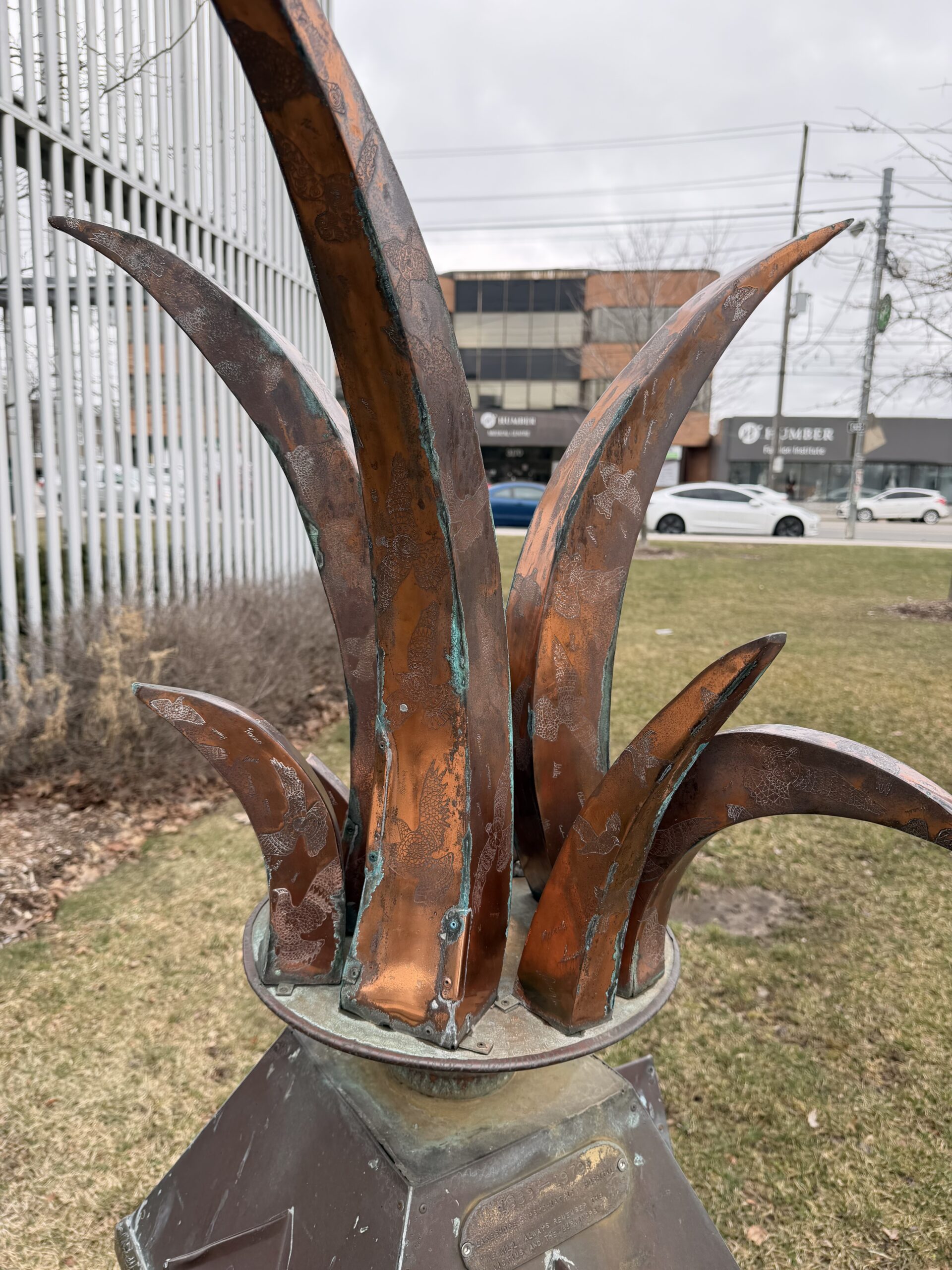
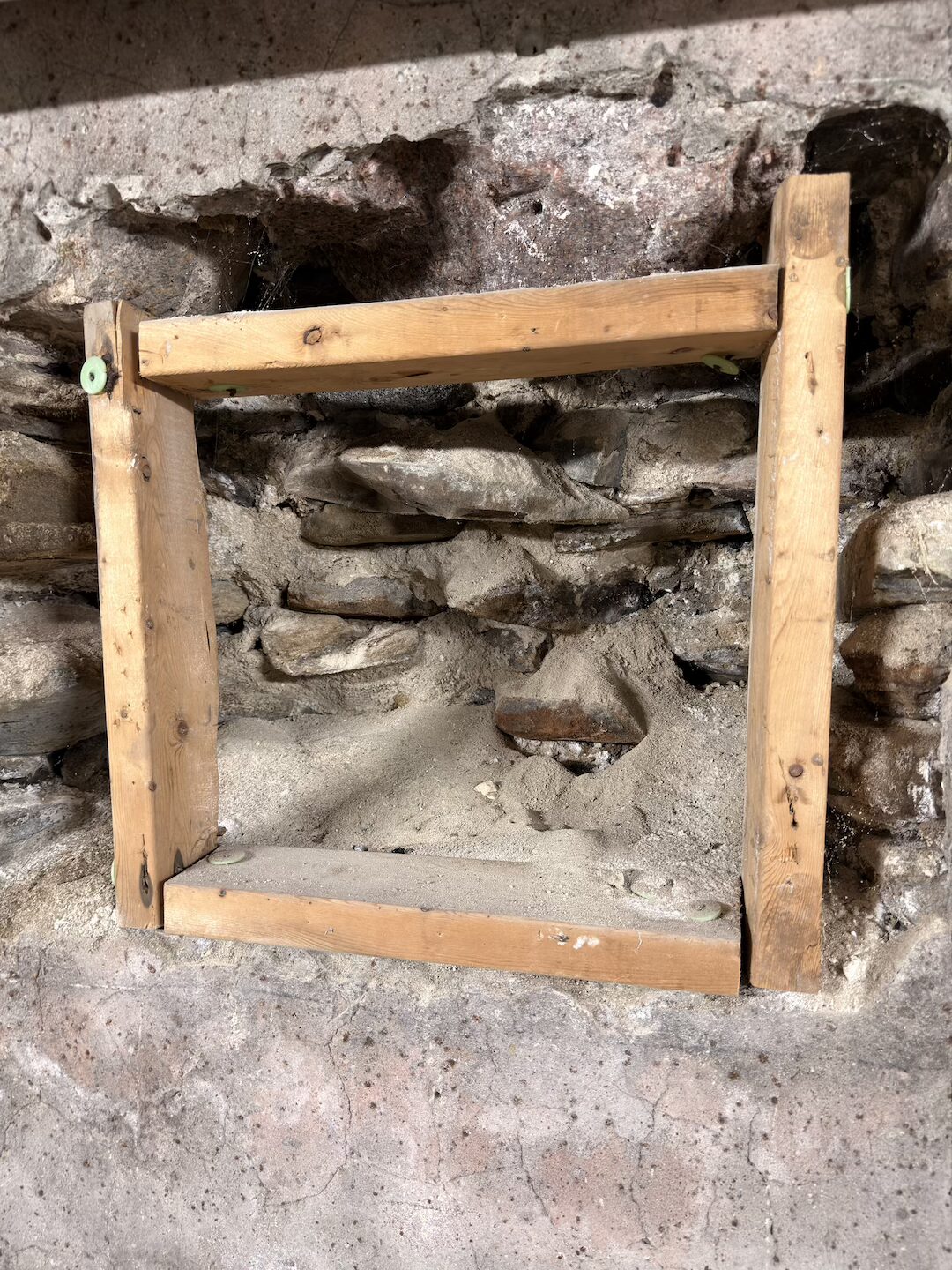
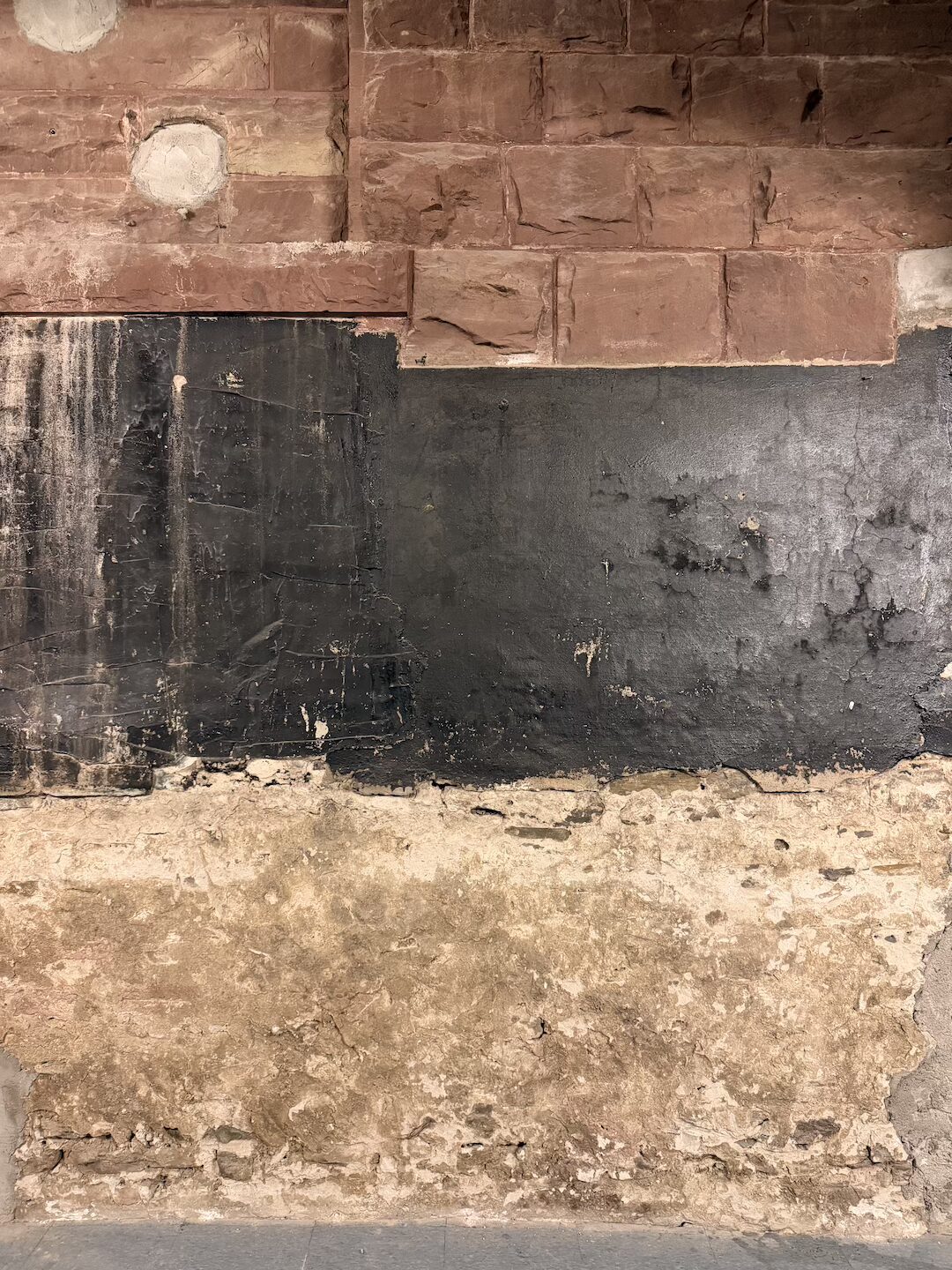
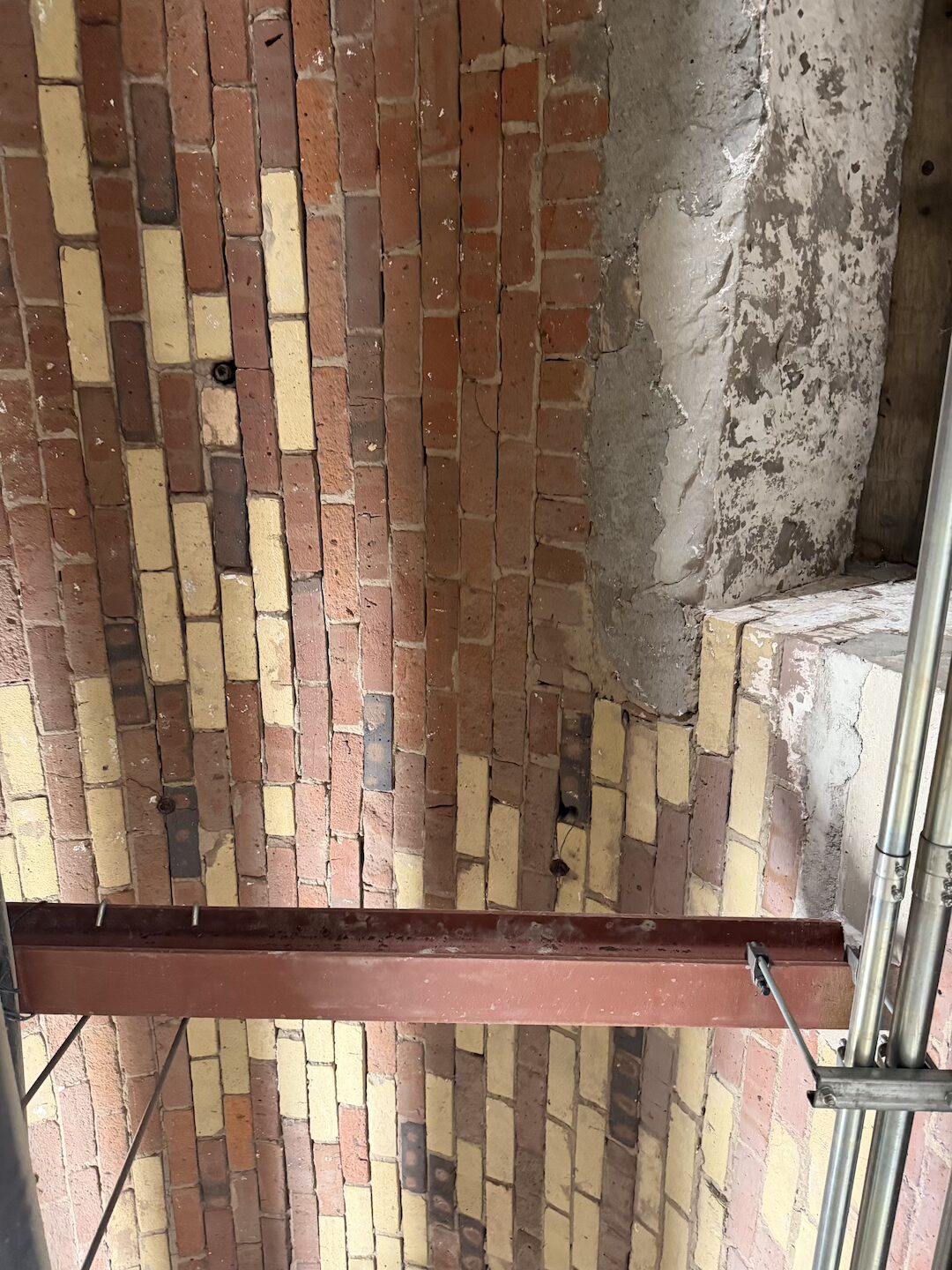
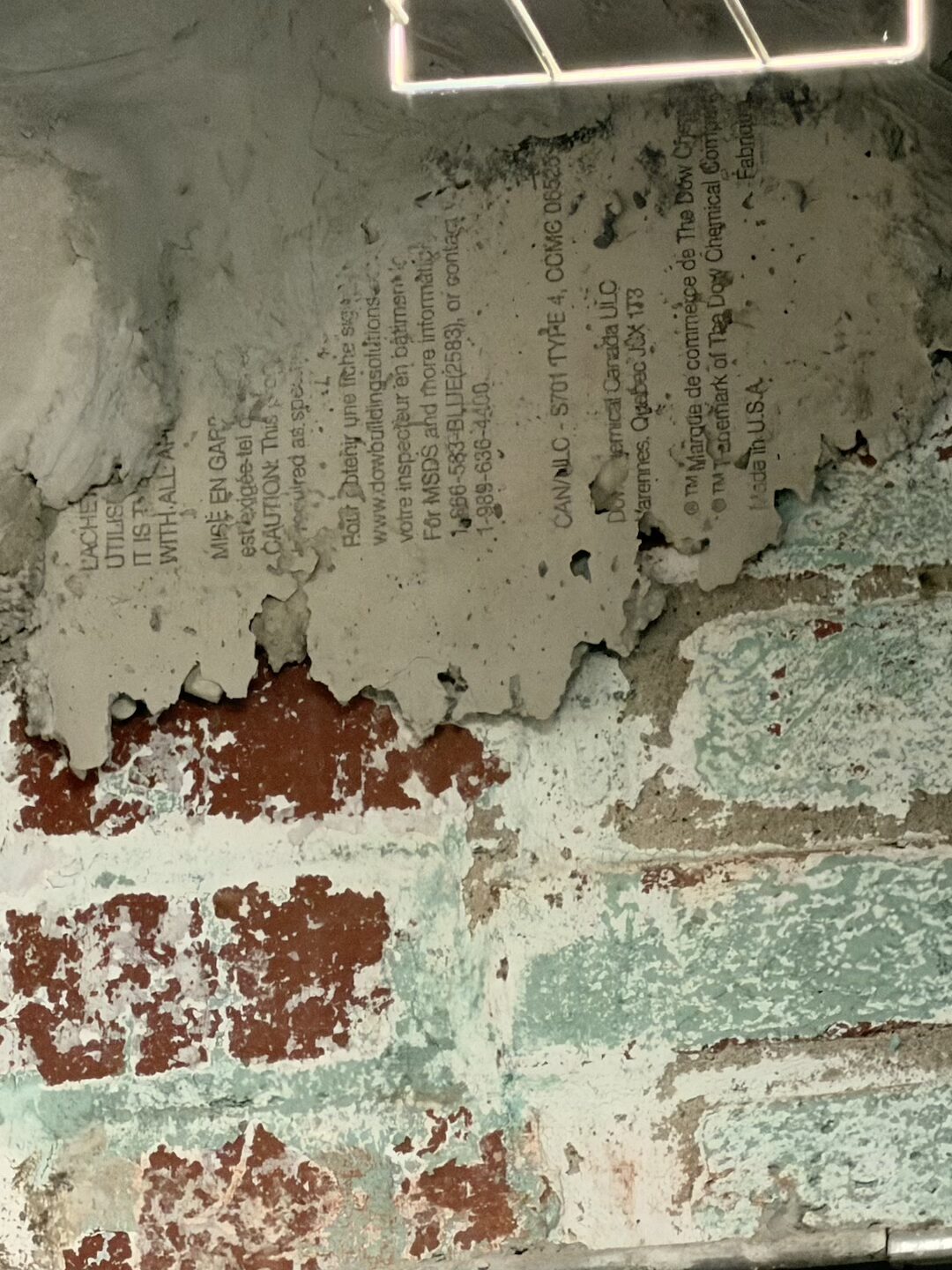
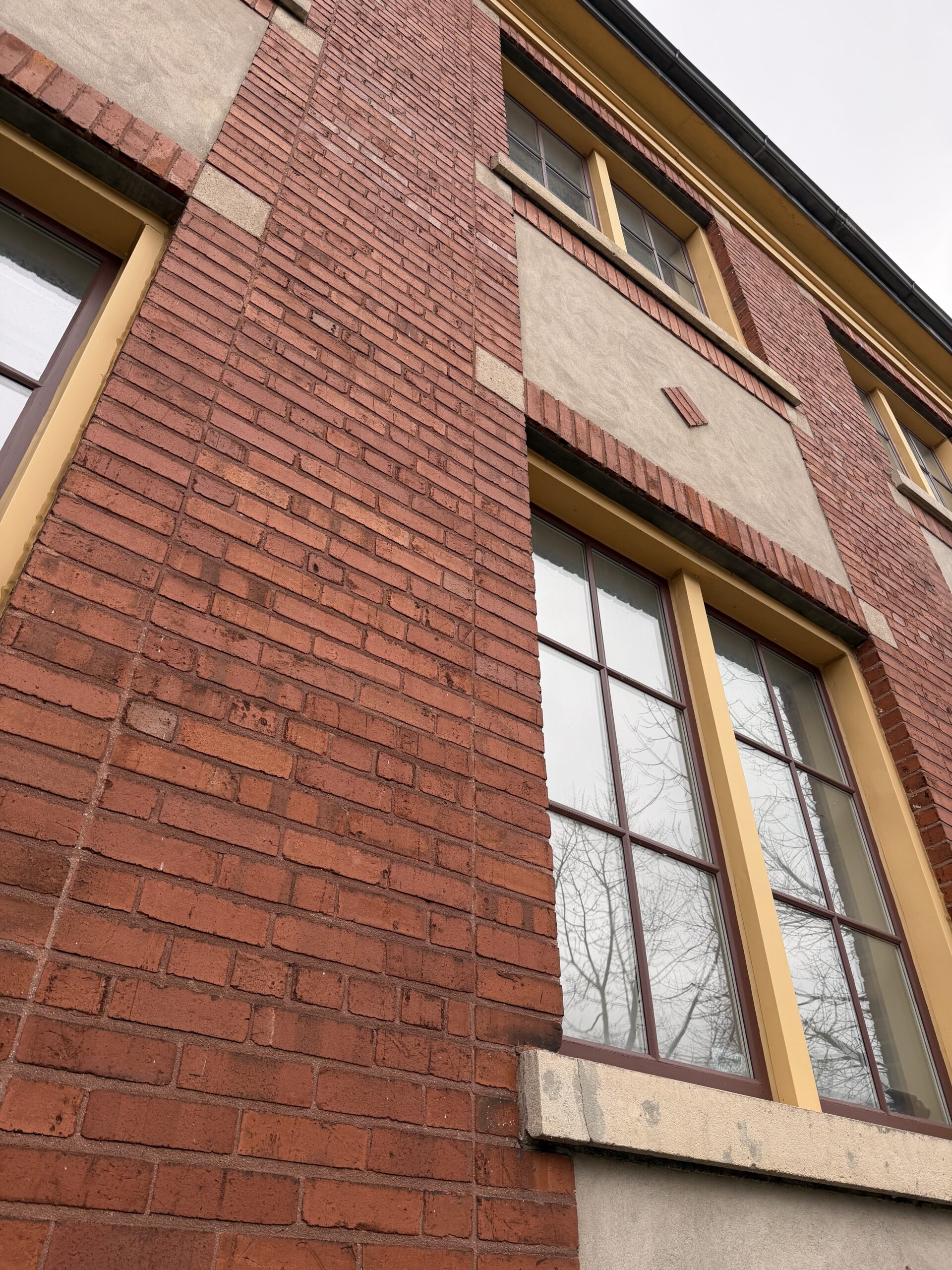
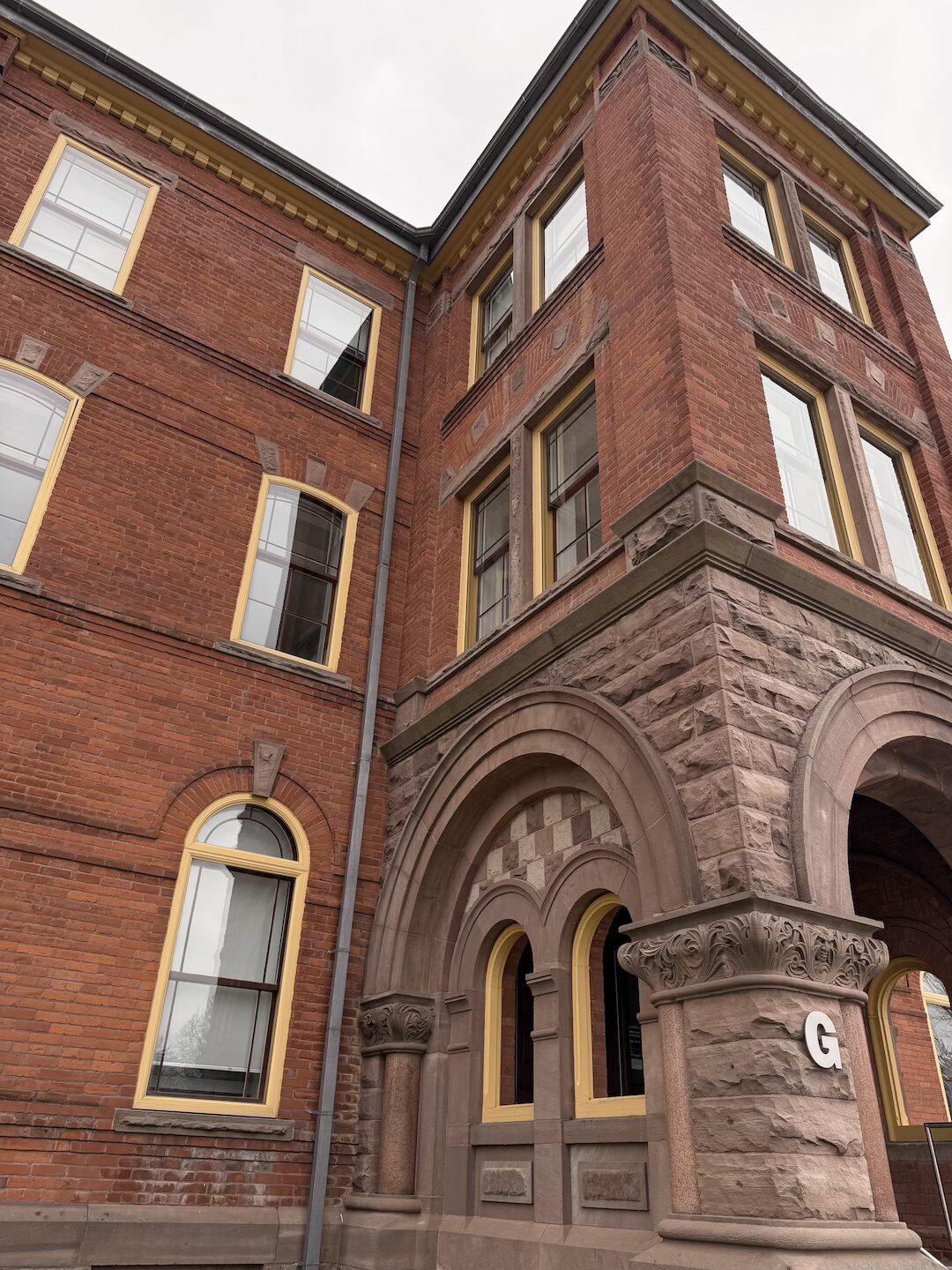
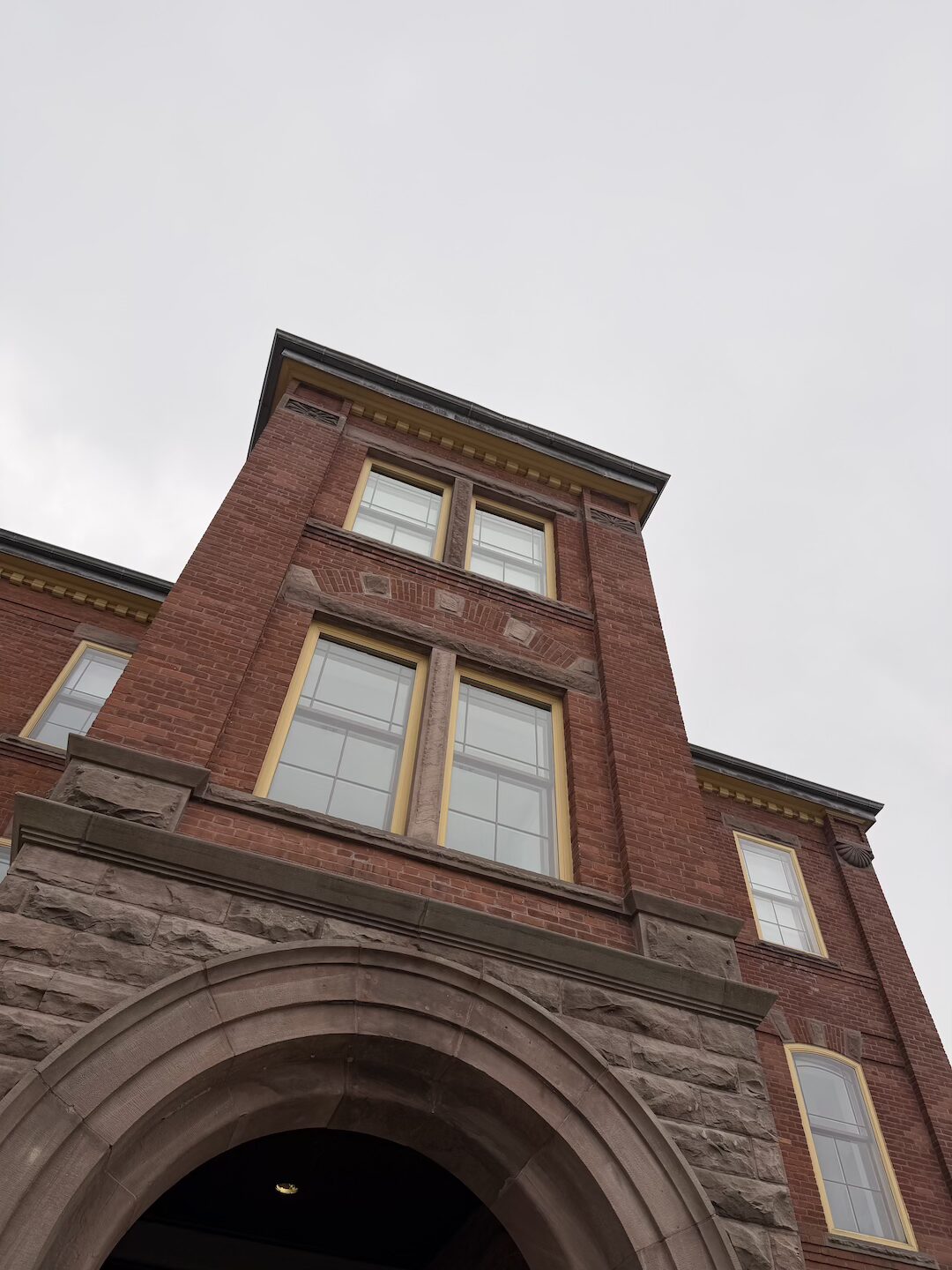
It was a heavy but very relevant experience. The full Tapestry Opera staff wanted to connect with our local history and allow us to bring a uniquely Canadian perspective to our production as we get closer to opening 10 Days in a Madhouse.
To understand Nellie Bly’s story more authentically, we needed to stand on the grounds where similar stories happened.
A few things that really stuck with us:
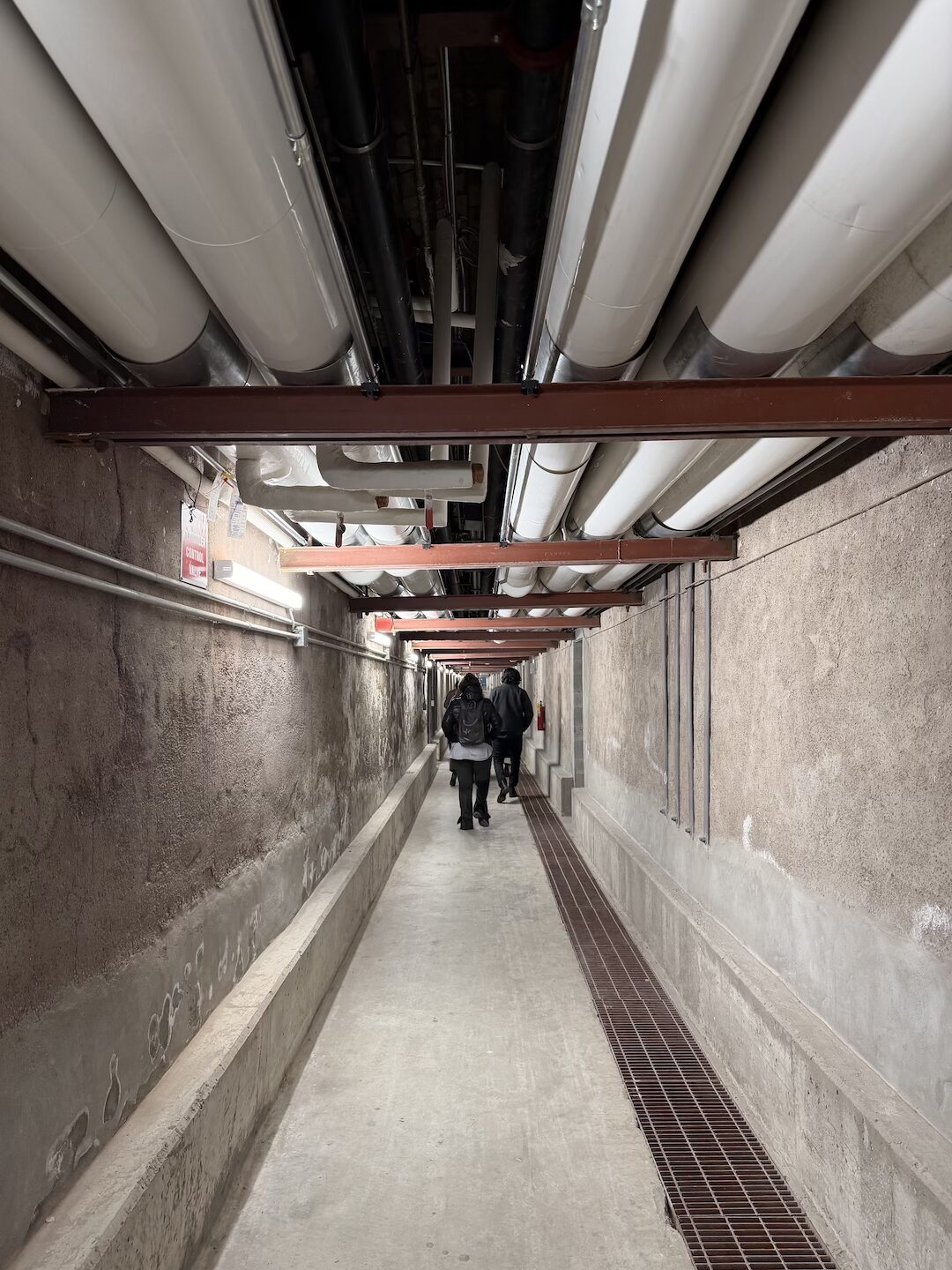
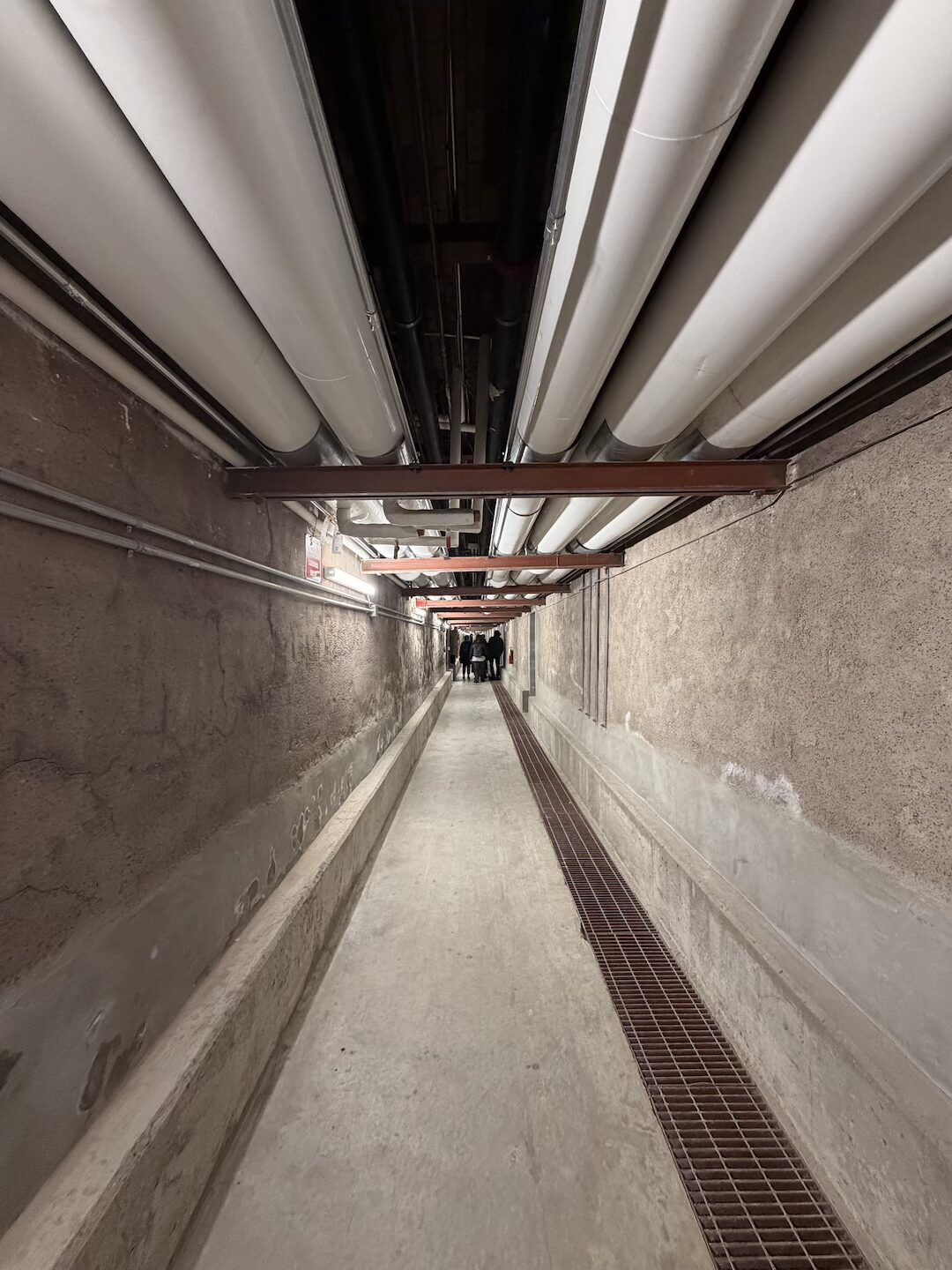
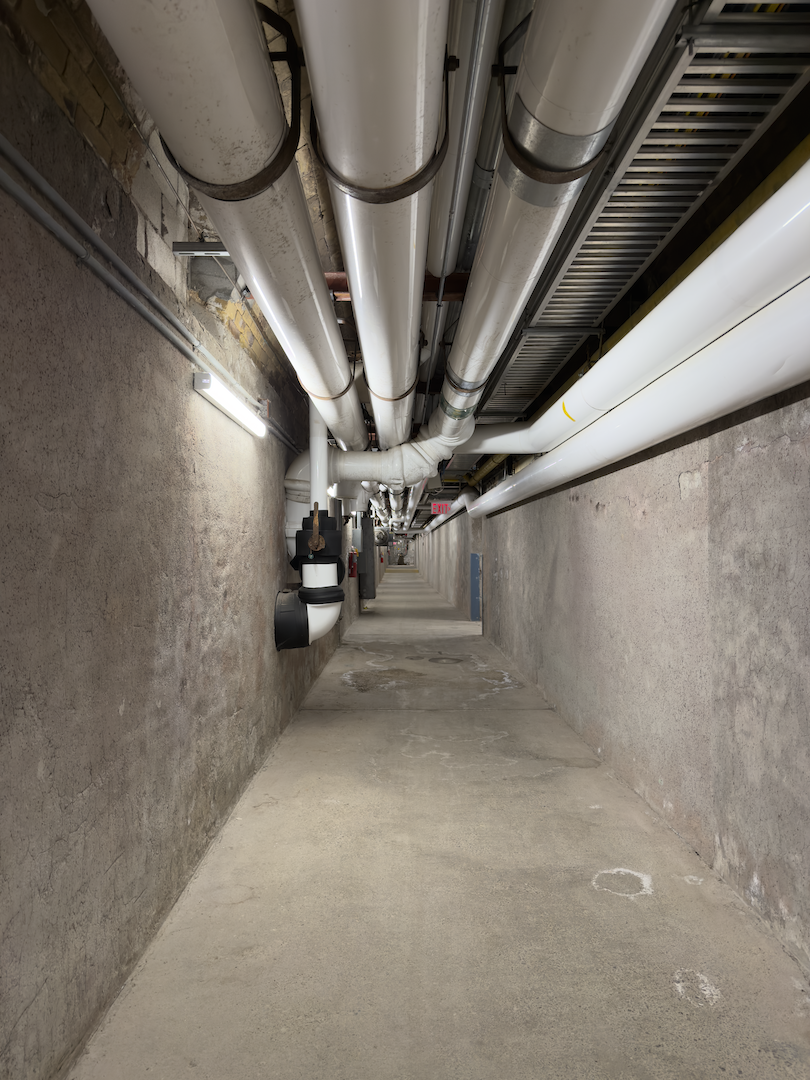
- The Tunnels vs. The Facade: We saw how tunnels were used to move patient labour around so the public wouldn’t have to see it. It’s that same “out of sight, out of mind” vibe Nellie Bly encountered, where society hides what it doesn’t want to fix.
- Progress Isn’t Always Pretty: The site moved from big, scary wards to smaller “cottages” to look more modern, but the control was still there. We’re exploring that tension, how a place that’s supposed to be a “sanctuary” can quickly turn into a cage.
- Trying to Erase the Past: Almost all of the records from the Lakeshore Psychiatric Hospital were destroyed by the provincial government when it was closed. What remained was chilling. A woman incarcerated for her entire life from the age of 17, for being a challenging member of a large family.
- Stories Won’t Stay Quiet: Even though these institutions were designed to segregate and silence people, their history is still right there under the surface. Our goal with 10 Days in a Madhouse is to take forgotten histories and turn them back into a living, breathing human story.
- Histories Won’t Go Away: The history of institutionalization continues unbroken into our current mental health and prison systems. People are still institutionalized without consent, and prisoners are still working for less than 1/3 of minimum wage. It’s important to remember this is still the same system with a fresh coat of paint. Many of the same problems are still present.
Touring the grounds brought 10 Days in a Madhouse closer to home. These aren’t just characters from 1887; they represent real and complex people who lived right here in our backyard.
If you are curious, please go check it out!
The amazing team at the Lakeshore Grounds Interpretive Centre also shared Indigenous author and Journalist Tanya Talaga’s own history with the site. Please explore the links below.
The Makwa Creative – The production company stewarded by Tanya Talaga, referencing several of her books, and other documentaries.
The Knowing (book) – available as print, audiobook, and eBook at most bookstores and libraries
The Knowing (documentary) – free on CBC Gem